 blog
blog Sustainable lighting and environmental certificates: WELL, BREEAM, LEED
Sustainability and health play an increasingly prominent role in construction. Various standards and labels have been created to assess the environmental and human impact of buildings, such as BREEAM, LEED and WELL. Lighting is also important in this regard. Below, we explain what you should consider in terms of lighting to achieve the best quality labels.
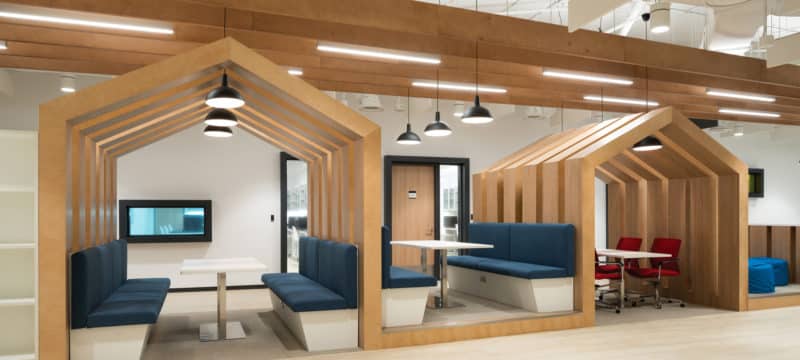
WELL, BREEAM, LEED… an overview of the labels
BREEAM (Building Research Establishment’s Environmental Assessment Method) and LEED are sustainability labels that focus on the energy performance of buildings. The focus is on evaluating the carbon footprint and efficient use of energy. Naturally, you have the chance to save money or reduce costs by choosing suitable lighting fixtures (also possible through relighting or refitting).
In contrast, the international WELL Building Standards focus more on human aspects such as health and well-being. The emphasis here is on the human body and the influence of interior architecture on our health, which we can derive from scientific research. In terms of lighting, Colour Rendering Index (CRI), uniformity and illuminance, as in Human Centric Lighting, take precedence.
Although these are not legal obligations in Belgium, they do provide guidance for building projects. As of 2026, Belgium will require the energy performance certificate for non-residential units (EPC NR), in which lighting also plays an important role.
Scoring points with luminaires and lighting designs from Multiline
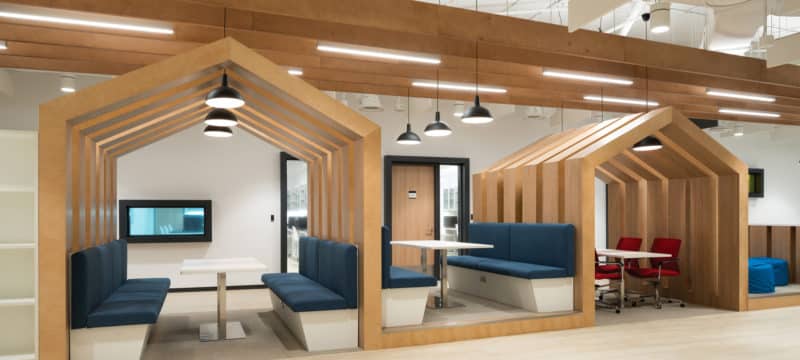
At Multiline, we have long been concerned with the sustainability of our products. Therefore, we are actively paying attention to these standards, as lighting is crucial for scoring points in these systems. Our luminaires are designed and manufactured with the high requirements of these standards in mind. We deliver as much light as possible with as little power as possible. We also attach great importance to a circular economy, by, for example, guaranteeing the longest possible lifetime of each product.
Through our lighting designs, we strive for optimal lighting comfort, avoid glare and integrate technologies that promote energy efficiency, such as DALI and presence and daylight sensors. We work closely with suppliers that provide sustainable materials, such as recycled aluminium. We also try to reduce packaging materials to an absolute minimum.
Environmental certificates as an additional asset
The relevance of these standards varies from project to project and depends on the building owner. Many owners see it as an opportunity to emphasize sustainability, not only as an environmentally conscious choice, but also as an additional asset to attract employees or investors, for example. Good environmental certifications provide a measurable way to evaluate sustainability and health. For building owners, this means a higher value of their building.
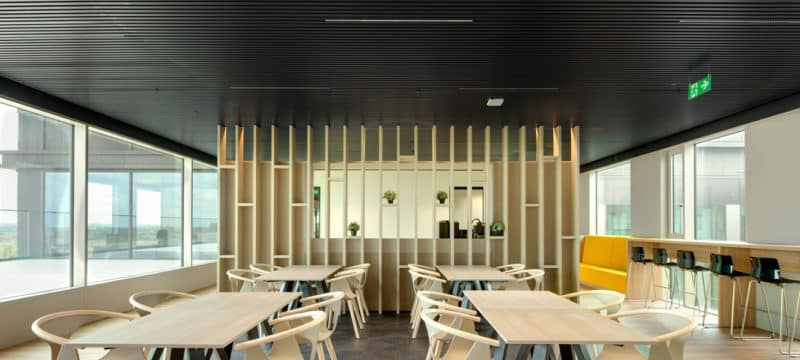
Good example follows good practice
At Multiline, we always share our non-binding advice and experience with various environmental certificates. Together with architects, engineering firms and building owners, we choose the most optimal, sustainable lighting solution.
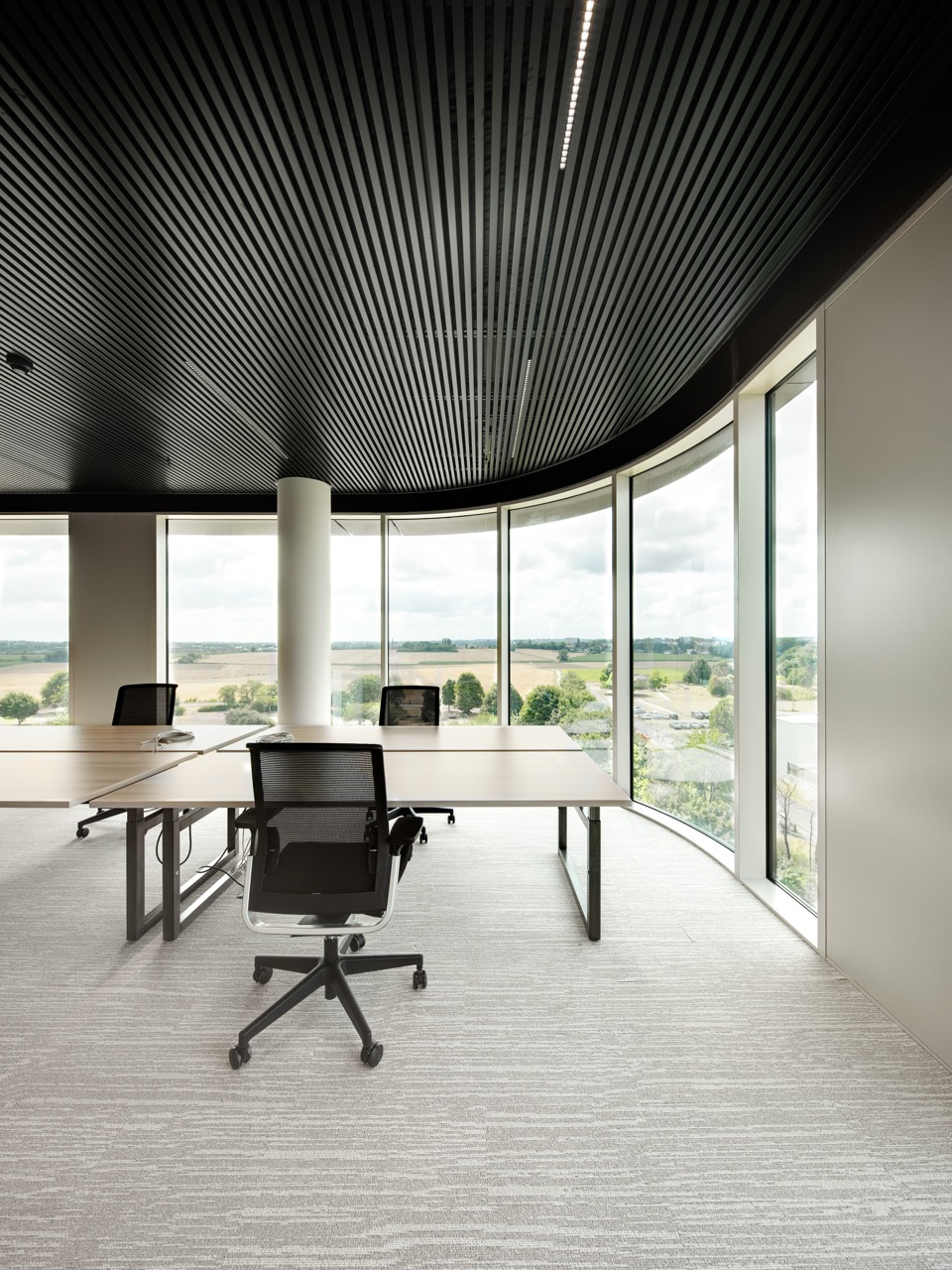
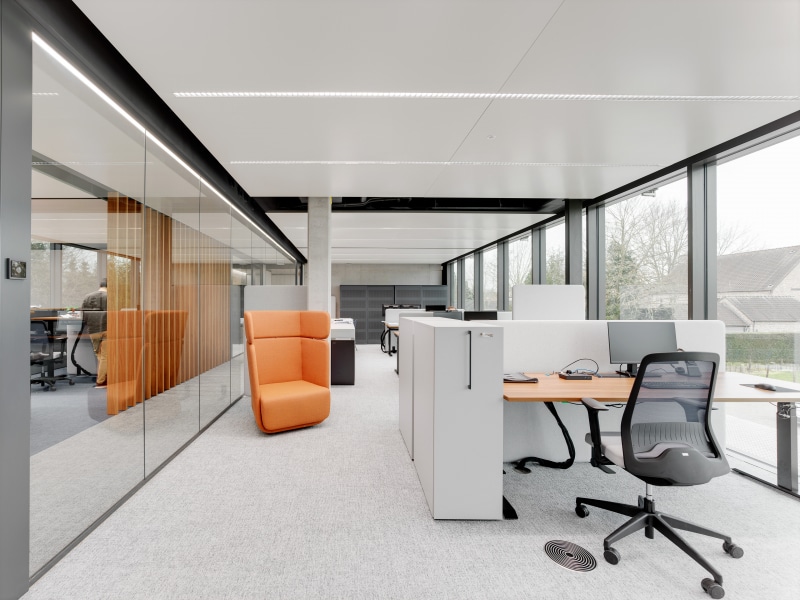
The Hermes Park 7 offices are an excellent example of a project with good results in terms of BREEAM. At the headquarters of VMA, the focus was rather on the WELL Building Standards. Both projects illustrate our ability to meet different standards and adapt our products to specific requirements.
Contact us to unleash all your potential in your next building project.
Looking for inspiration?
Do you have questions? Would you like more information about our products?
Contact usMore news
-

Light lines connecting old and new at WeForm group practice
In the heart of Herselt, a traditional house was thoroughly renovated and extended to create a group practice. With the architectural concept “The Shadow”, a new composition emerged in which the new volume appears to embrace the old one. Multiline delivered the lighting design and produced a bespoke architectural lighting solution.
Read more -

“As a lighting architect, you bring technology and aesthetics together”
As a lighting architect, Lieze translates the plans and ambitions of clients, architects and engineering consultancies into lighting proposals that are both technically sound and aesthetically refined. That is why she values an environment in which quality comes first. “The best thing about my job? The variety. Because so much of our work is bespoke, no two days are ever the same.” In this blog, she explains why she is so proud of her work at Multiline.
Read more -
How does Multiline design bespoke lighting for projects?
A luminaire that integrates naturally into the ceiling rhythm, with a precise finish and light output perfectly tailored to the space… The result often appears self-evident. Yet behind the scenes, bespoke lighting for projects is considered down to the millimetre. In this blog, you will discover how we at Multiline design custom solutions that fully align with both the architectural concept and on-site execution.
Read more