 blog
blog Relighting lighting in buildings: what is it and what subsidies are available?
In public buildings or offices, outdated fixtures often consume a lot of energy and rarely meet current standards for comfort and aesthetics. With relighting, you bring the lighting in a building up to modern standards: more efficient, more sustainable, and tailored to today’s needs. Moreover, your relighting project may qualify for an attractive subsidy, making the investment even more appealing.
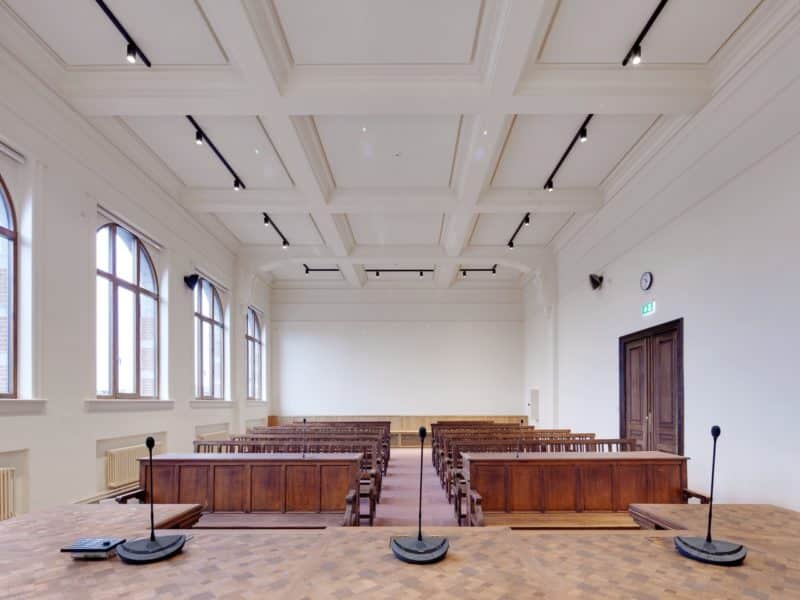
What is relighting?
Relighting means completely replacing the existing lighting in a building with a new lighting system. It’s not just about the lamps, but also the fixtures and control systems. Outdated fluorescent or halogen lamps are often replaced with modern LED solutions. The result: lower energy consumption, improved light quality, and a longer lifespan for the installation.
Relighting is popular because it’s a relatively simple way to make buildings more energy-efficient without major renovations. Offices, schools, healthcare facilities, and government buildings stand to benefit significantly from a relighting project.
Read more about saving energy with lighting

The 4 key benefits of relighting in buildings
Switching to new lighting offers building owners or facility managers several advantages:
- Lower energy costs: modern LED lighting consumes up to 60% less energy.
- Reduced maintenance: longer lifespan means fewer replacements.
- Improved light quality: enhances comfort and productivity in the workplace.
- Sustainability: lower CO₂ emissions and a positive contribution to ESG goals.
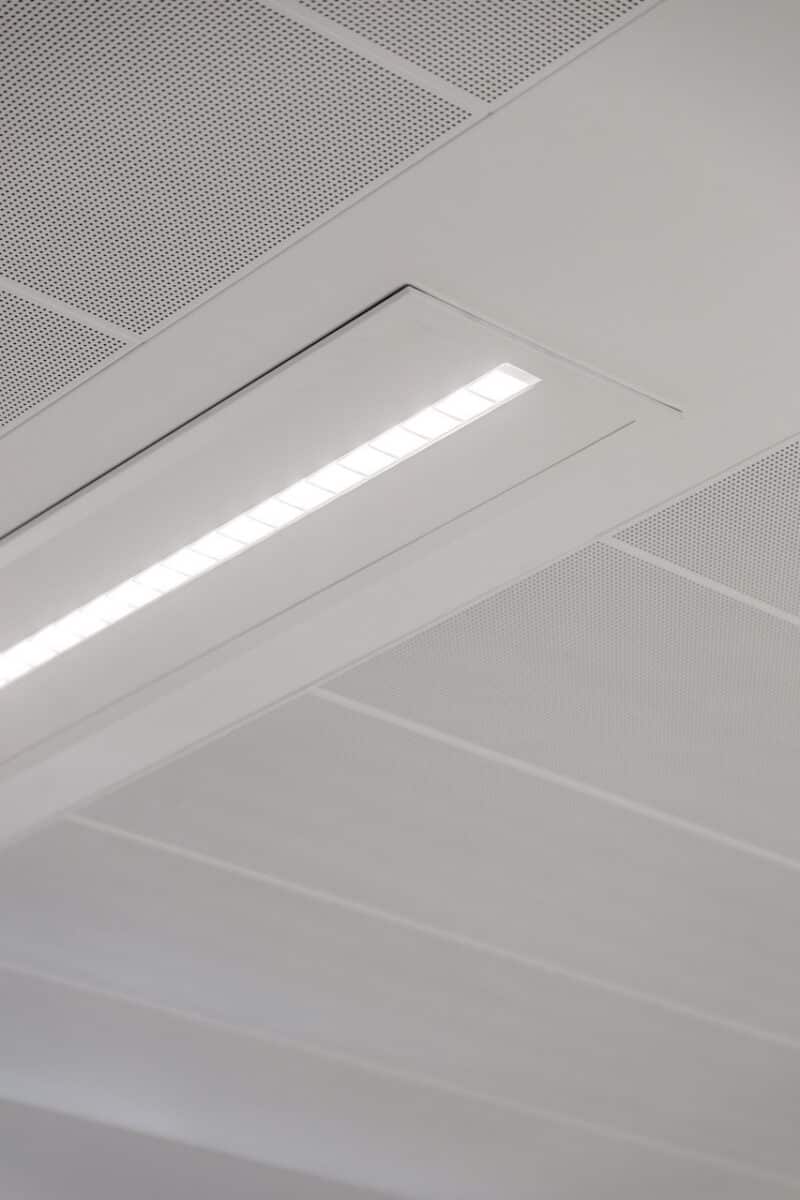
Up to €20,000 subsidy for relighting in buildings
In the Flemish Region, you can receive a subsidy for relighting indoor lighting in non-residential buildings, up to a maximum of €20,000 if you opt for daylight control. This support measure significantly shortens the payback period, making relighting a highly attractive investment. Conducting a lighting study is one of the conditions to qualify for the subsidy.View all details about this subsidy on the Fluvius website.


Multiline as your relighting partner
At Multiline, we understand that relighting goes beyond simply replacing lamps. Our lighting consultants and lighting designers work with you to analyze the current situation, advise on the right fixtures, and integrate solutions that fit your building and budget. Thanks to our in-house production, we deliver projects that meet all aesthetic and technical requirements.
Want to know what relighting can do for your building and whether you qualify for the subsidy? Contact us today.
Looking for inspiration?
Do you have questions? Would you like more information about our products?
Contact usMore news
-

Light lines connecting old and new at WeForm group practice
In the heart of Herselt, a traditional house was thoroughly renovated and extended to create a group practice. With the architectural concept “The Shadow”, a new composition emerged in which the new volume appears to embrace the old one. Multiline delivered the lighting design and produced a bespoke architectural lighting solution.
Read more -

“As a lighting architect, you bring technology and aesthetics together”
As a lighting architect, Lieze translates the plans and ambitions of clients, architects and engineering consultancies into lighting proposals that are both technically sound and aesthetically refined. That is why she values an environment in which quality comes first. “The best thing about my job? The variety. Because so much of our work is bespoke, no two days are ever the same.” In this blog, she explains why she is so proud of her work at Multiline.
Read more -
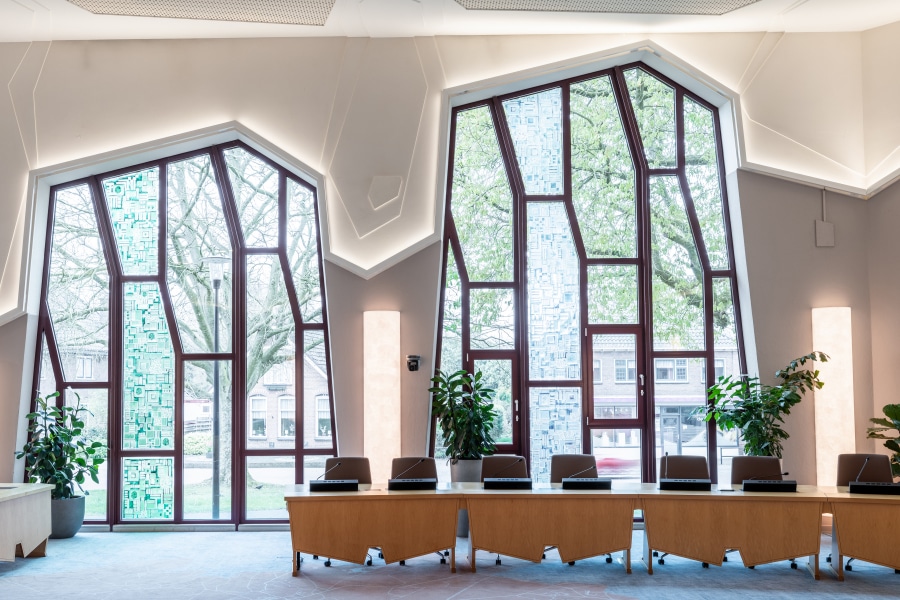
How does Multiline design bespoke lighting for projects?
A luminaire that integrates naturally into the ceiling rhythm, with a precise finish and light output perfectly tailored to the space… The result often appears self-evident. Yet behind the scenes, bespoke lighting for projects is considered down to the millimetre. In this blog, you will discover how we at Multiline design custom solutions that fully align with both the architectural concept and on-site execution.
Read more