 blog
blog Architectural lighting in real estate projects: added value for developers
Real estate projects, architecture and finishing define the first impression. Architectural lighting plays a key role in this. Light creates the right atmosphere, highlights features, and gives your project a distinct identity. In this blog, you will discover how, as a developer, you can use architectural lighting to enhance your project with a strong sense of experience and design.
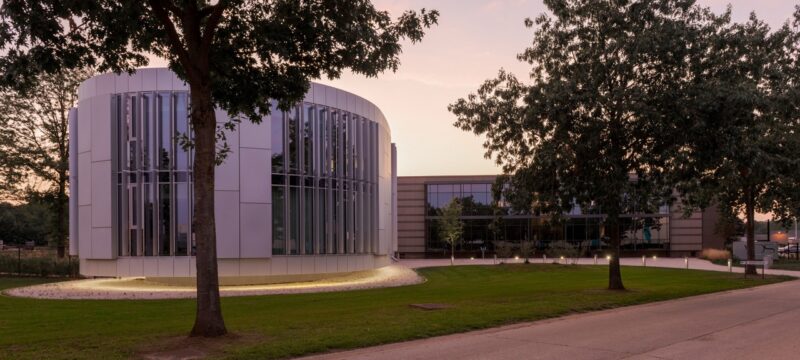
Architectural lighting as a sales tool
A buyer, tenant, or investor does not evaluate a project purely rationally. First impressions are largely driven by atmosphere, calmness, and coherence. Architectural lighting helps shape that impression, especially in areas where experience matters immediately: entrance zones, circulation areas, lobbies, staircases, and shared spaces.
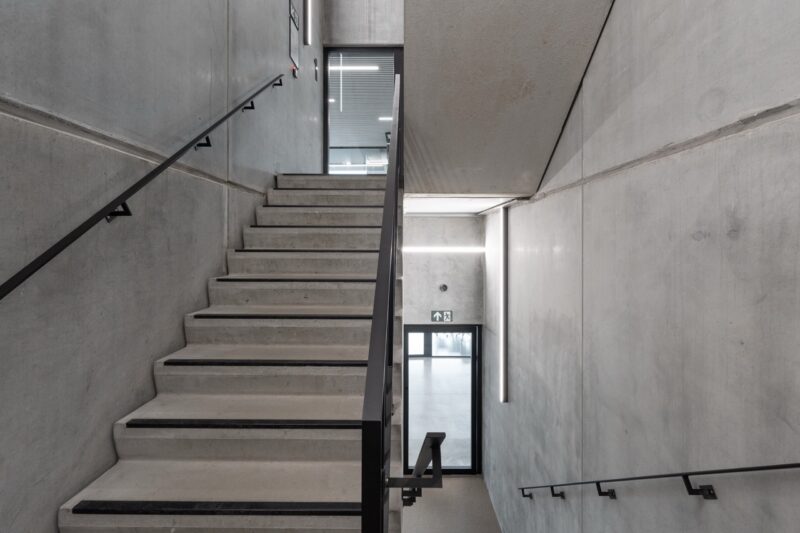
Good lighting reveals volumes, enhances materials, and ensures comfort. It creates the intended feeling in every space. For developers, this offers specific advantages: the building appears more complete, the overall story becomes more coherent, and the project is positioned more clearly within its segment
Create consistency across all lighting zones
In many projects, differences arise between spaces: varying fixture styles, inconsistent lighting effects, or differing color temperatures. The result can feel disjointed, while the architecture is intended to form a cohesive whole.
Architectural lighting works best when the lighting concept is applied consistently throughout the project. This does not mean every space must be lit identically, but the choices should be recognizable—for example, through a consistent linear language or a balanced ratio between general lighting and accents. This is the result of a well-developed lighting plan.
This consistency also strengthens communication: renders, project photos, and site visits present a unified whole. The lighting supports the architecture.
Lighting that enhances architecture: lines, rhythm, and balance
Architecture is often built on rhythm: window axes, ceiling modules, slats, joints, niches, columns, or sightlines. Architectural lighting can reinforce this rhythm by aligning with the building’s composition.
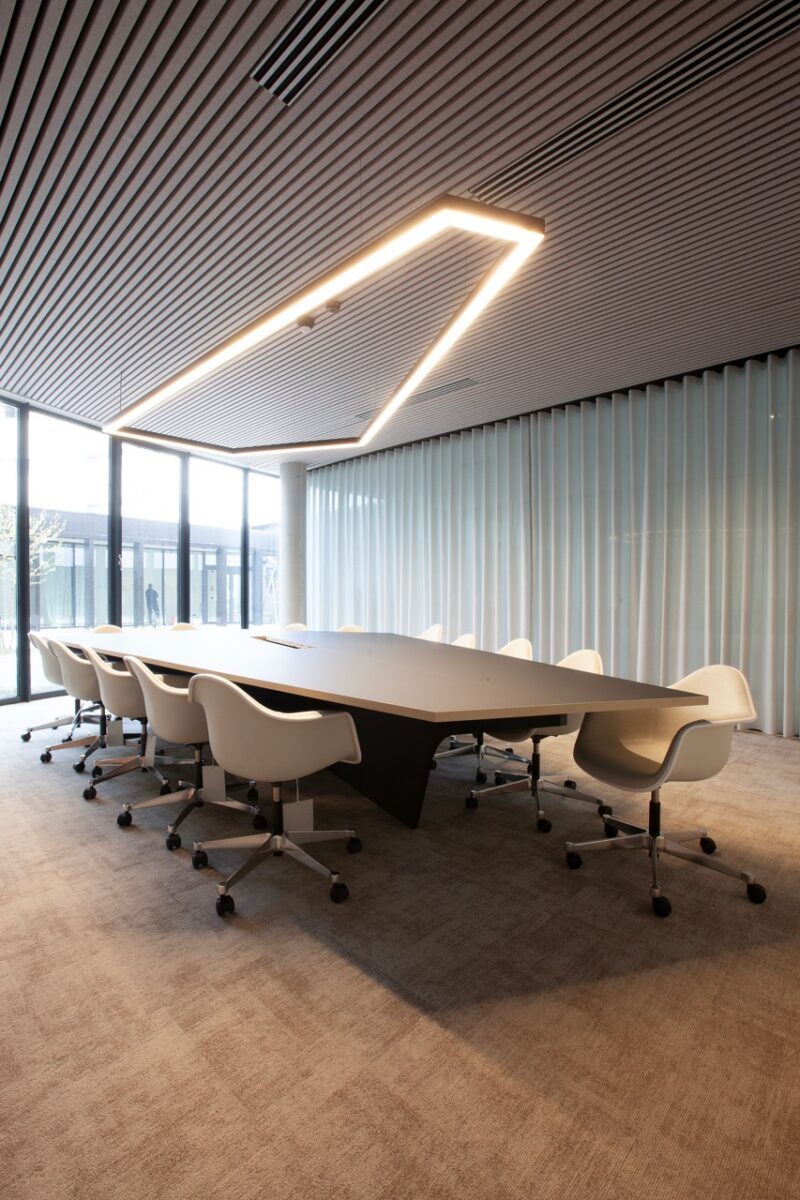
- Lines: continuous light lines open up a space and create perspective.
- Rhythm: repetition (intentional and consistent) brings order and calm.
- Balance: not everything needs to be equally illuminated. The art lies in what you highlight and what you leave in the background.
Light is a design choice that determines where attention is drawn and how spaces relate to each other.
From basic to premium: architectural lighting for every real estate segment
Architectural lighting is sometimes seen as a luxury, but its principles apply more broadly. Even in budget-driven projects, it can make a significant difference.
- Entry-level segment: focus on calmness and uniformity.
- Mid-range segment: combine a strong base with selected accents in entrances or shared spaces.
- High-end segment: more detail, layered lighting, and refined integration—without excess.
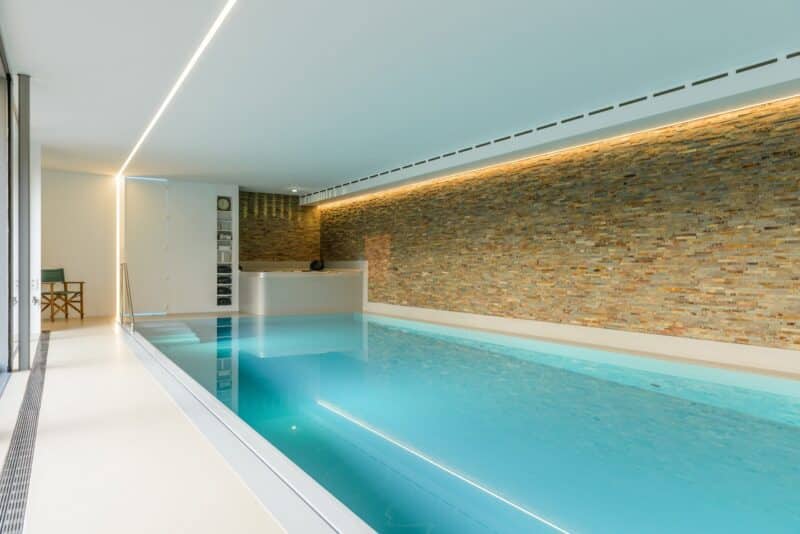
Curious how your real estate project can benefit from architectural lighting?
Would you like to use architectural lighting to strengthen your project’s positioning and truly bring the design to life? Multiline is happy to support you in defining the lighting concept, integration, and the right accents for each zone.
Looking for inspiration?
Do you have questions? Would you like more information about our products?
Contact usMore news
-

Light lines connecting old and new at WeForm group practice
In the heart of Herselt, a traditional house was thoroughly renovated and extended to create a group practice. With the architectural concept “The Shadow”, a new composition emerged in which the new volume appears to embrace the old one. Multiline delivered the lighting design and produced a bespoke architectural lighting solution.
Read more -

“As a lighting architect, you bring technology and aesthetics together”
As a lighting architect, Lieze translates the plans and ambitions of clients, architects and engineering consultancies into lighting proposals that are both technically sound and aesthetically refined. That is why she values an environment in which quality comes first. “The best thing about my job? The variety. Because so much of our work is bespoke, no two days are ever the same.” In this blog, she explains why she is so proud of her work at Multiline.
Read more -
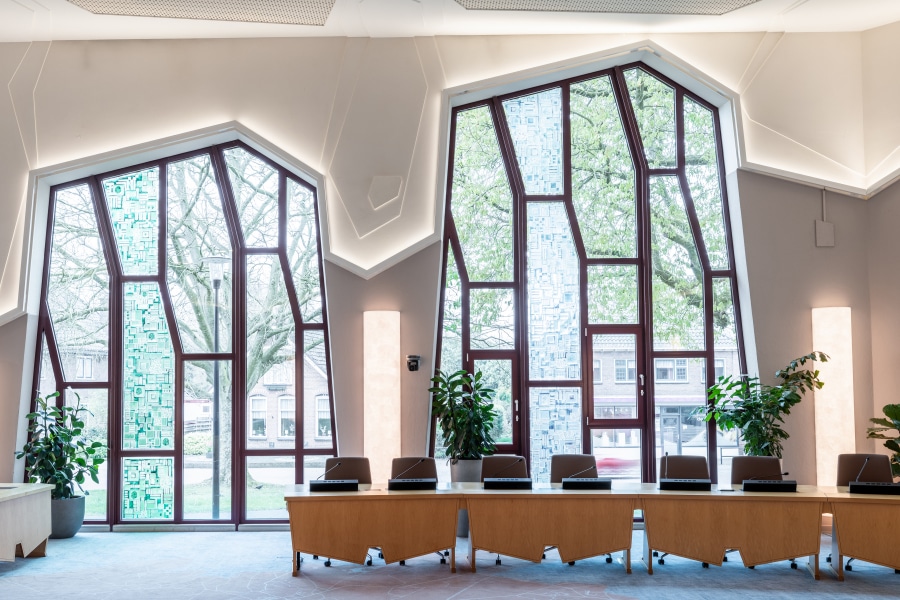
How does Multiline design bespoke lighting for projects?
A luminaire that integrates naturally into the ceiling rhythm, with a precise finish and light output perfectly tailored to the space… The result often appears self-evident. Yet behind the scenes, bespoke lighting for projects is considered down to the millimetre. In this blog, you will discover how we at Multiline design custom solutions that fully align with both the architectural concept and on-site execution.
Read more