 blog
blog Ergonomic workplace lighting: more than just visual comfort
Science is evolving very quickly in the field of workplace lighting and ergonomics. We are increasingly experiencing the big impact of lighting design. Not only visually, but also on our biological functioning, state of mind and cognitive abilities. At Multiline, we follow these developments closely in order to advise our customers and partners correctly.
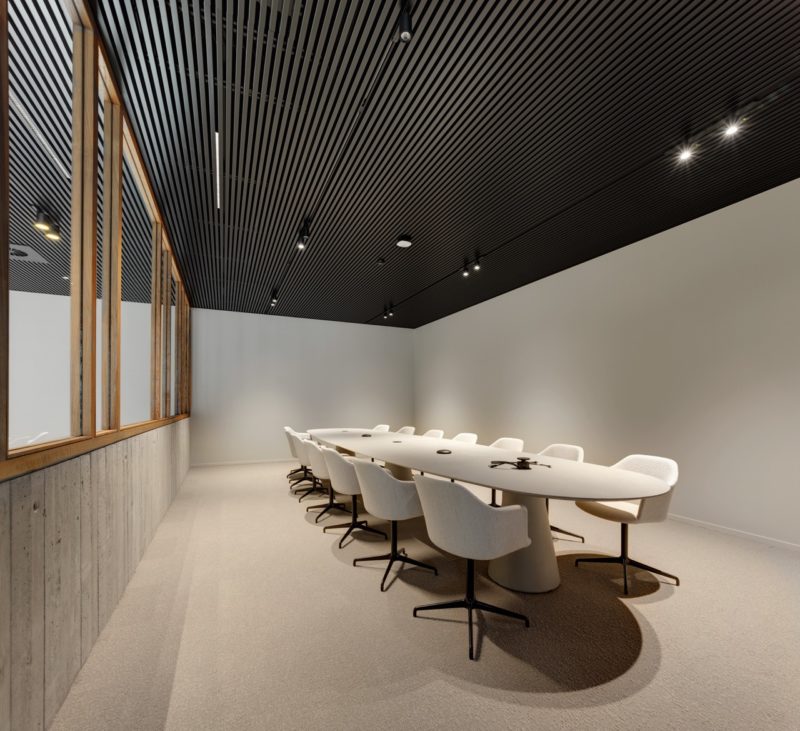
When designing office buildings, the impact of lighting is often underestimated. However, the correct design can have a significant impact on employee performance and well-being. Ideal workplace lighting should provide uniformity, low contrast and comfortable lux values. When the design is based on the needs of the end user, Human Centric Lighting takes center stage.
Common complaints in workplaces with inadequate lighting include the feeling of too little light or improperly placed lighting that causes light spots.
European lighting standards for workplace lighting
Until 2021, European standards required 500 lux for workstations. This value could vary depending on the nature of the work. With the arrival of the new standard (NBN EN 12464-1:2021) in September 2021, the average illuminance for a workstation has been adjusted and allows us to provide up to 1,000 lux where needed.
Melanopic lighting
The updated standard responds to a “new” light quantity in the lighting technology: MEDI, “melanopic equivalent daylight illuminance”. It takes into account the production of melatonin, the “sleep hormone” essential for good biorhythms and quality sleep. MEDI refers to the consideration of more vertical illuminance to better match lighting to human needs. This is calculated through cylindrical calculations, taking into account the MDER factor of the light source, or the ratio of MEDI to photopic illuminance.
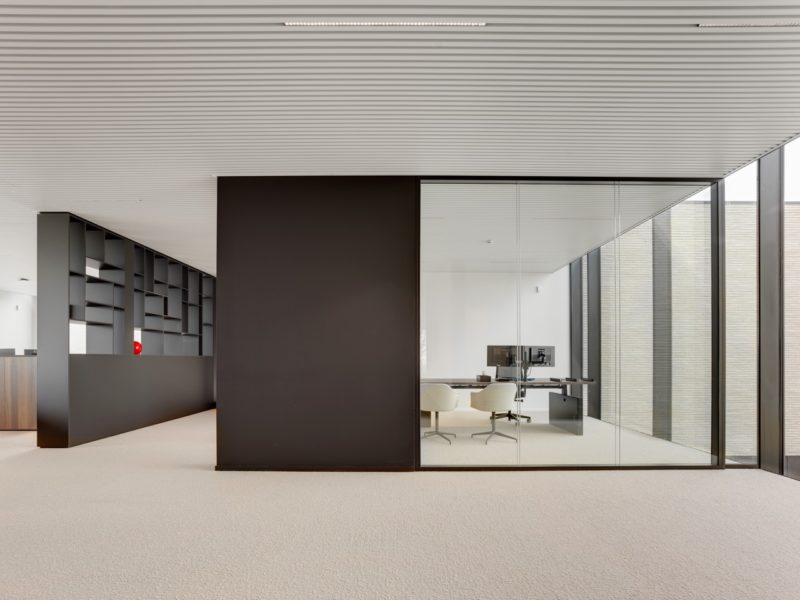
The challenge of deliberate lighting design
Architecture plays a crucial role in this process. Aiming for as many windows as possible, bright interiors and good reflectivity is essential for healthy workplace lighting.
Too often, plans are drawn up with design aspects such as color and light, without considering the lighting effect. This often results in suboptimal lighting solutions. That is why we always stress the importance of lighting studies in order to influence the design process and make the right choices. A lighting architect, who is involved early in the process, can monitor the balance between ergonomics and budgetary considerations.
What will the future bring?
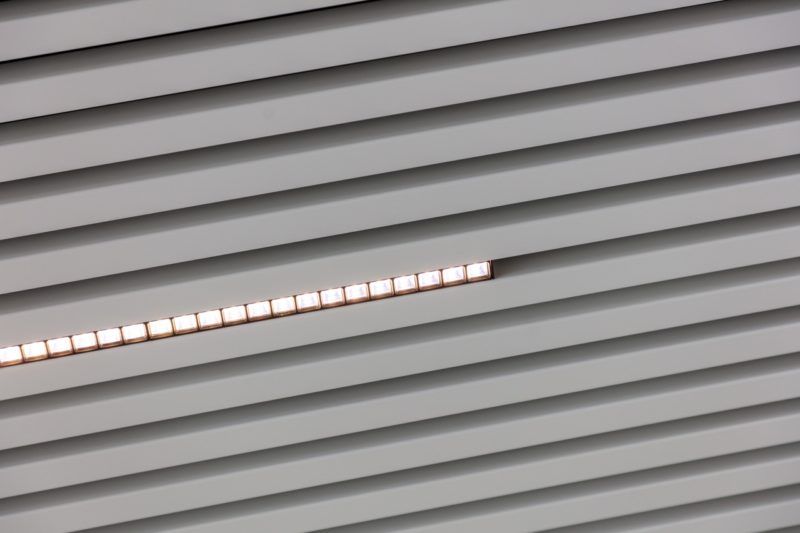
The future of workplace lighting will focus on minimizing the number of luminaires per room while maximizing light output and reducing energy consumption. The ongoing evolution of LED technology will play a key role in this. The balance between energy efficiency and ideal workplaces will remain an ongoing challenge.
At Multiline, we are happy to take on this challenge. We work closely with architects, engineering firms and building owners to implement the desired lighting standards. A good example is the Dethier office building in Alken, where we aimed for high lighting comfort by creating the perfect combination of aesthetics and scientifically sound lighting.
Looking for inspiration?
Do you have questions? Would you like more information about our products?
Contact usMore news
-

Light lines connecting old and new at WeForm group practice
In the heart of Herselt, a traditional house was thoroughly renovated and extended to create a group practice. With the architectural concept “The Shadow”, a new composition emerged in which the new volume appears to embrace the old one. Multiline delivered the lighting design and produced a bespoke architectural lighting solution.
Read more -

“As a lighting architect, you bring technology and aesthetics together”
As a lighting architect, Lieze translates the plans and ambitions of clients, architects and engineering consultancies into lighting proposals that are both technically sound and aesthetically refined. That is why she values an environment in which quality comes first. “The best thing about my job? The variety. Because so much of our work is bespoke, no two days are ever the same.” In this blog, she explains why she is so proud of her work at Multiline.
Read more -
How does Multiline design bespoke lighting for projects?
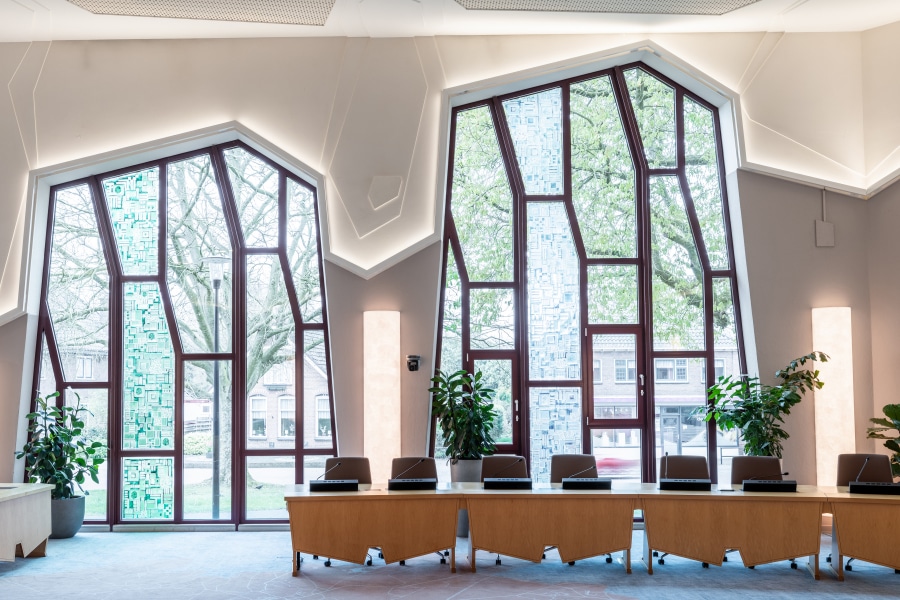
A luminaire that integrates naturally into the ceiling rhythm, with a precise finish and light output perfectly tailored to the space… The result often appears self-evident. Yet behind the scenes, bespoke lighting for projects is considered down to the millimetre. In this blog, you will discover how we at Multiline design custom solutions that fully align with both the architectural concept and on-site execution.
Read more