 blog
blog Sustainable lighting in projects: how to describe it in specifications and bills of quantities
Sustainable lighting has become a standard ambition in projects. But what remains of that ambition once you have to compare offers and place orders? How do you measure sustainability in quotations? Below you will find the most useful anchors to describe sustainable lighting concretely in your specifications and bill of quantities, so that you can assess and follow it up.
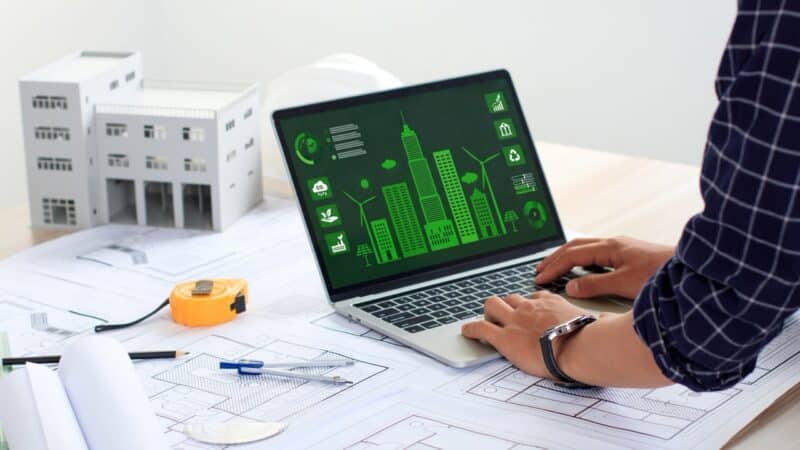
1) Define sustainability in project terms
A good lighting specification text includes a clear assessment of the end result: function of the space, intensity of use, maintenance logic and desired light quality.
In addition, it includes a clear description of what you want to achieve. For example:
- lower energy consumption,
- longer service life,
- less maintenance,
- less waste and packaging during installation,
- or a combination of these?
2) Take maintenance and lifetime into account
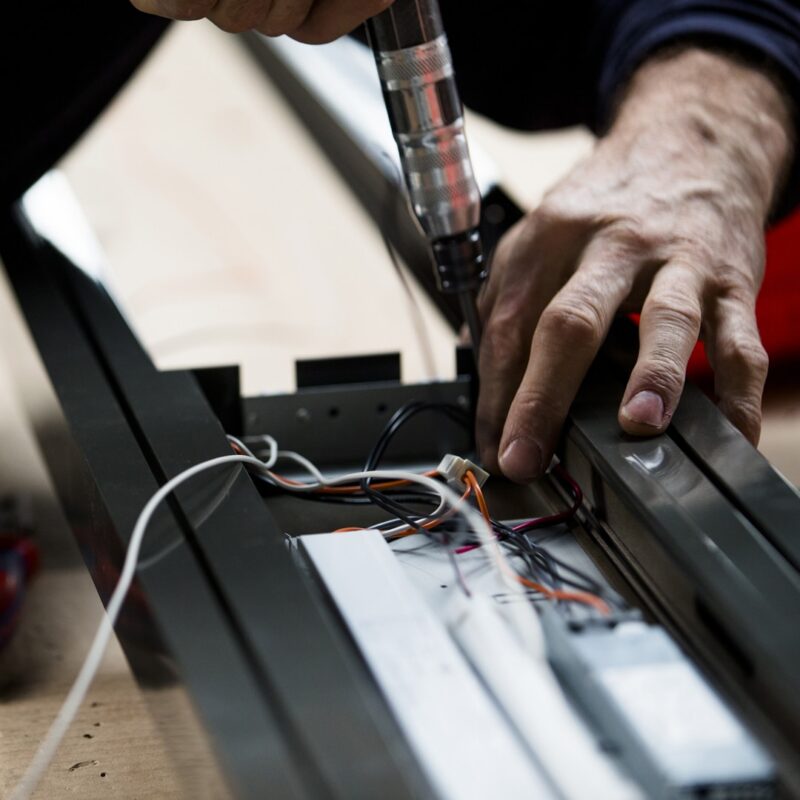
Even with LED lighting, there are large differences in service life. This is partly related to maintenance: accessibility, replaceability and repairs.
Therefore, include criteria that enforce sustainable behaviour, such as:
- Maintenance-friendly design (components accessible without major disassembly),
- replaceability of drivers/components where relevant,
- clear agreements regarding availability of spare parts or functional equivalents.
At Multiline, we have been investing in sustainable products for many years, helping customers save money in the long term. This was recently confirmed and substantiated with a bronze EcoVadis medal.
3) Limit variants: standardisation as a sustainability tool
The more different luminaires, optics and accessories you have, the greater the risk of errors, leftover stock and complications in maintenance. Standardisation is therefore not only a purchasing advantage, but also a sustainable choice.
You can state this in a specification as:
- preference for a limited number of product families/types,
- variation only where functionally necessary (for example a different optic per zone),
- uniform light colour and consistent light appearance throughout the building.
Among others, Multiline’s Rekta light lines are popular with architects, engineering offices, installers and building owners in a wide range of applications. In addition, we can fully customise our luminaires to your sustainability needs.
4) Consider logistics and packaging
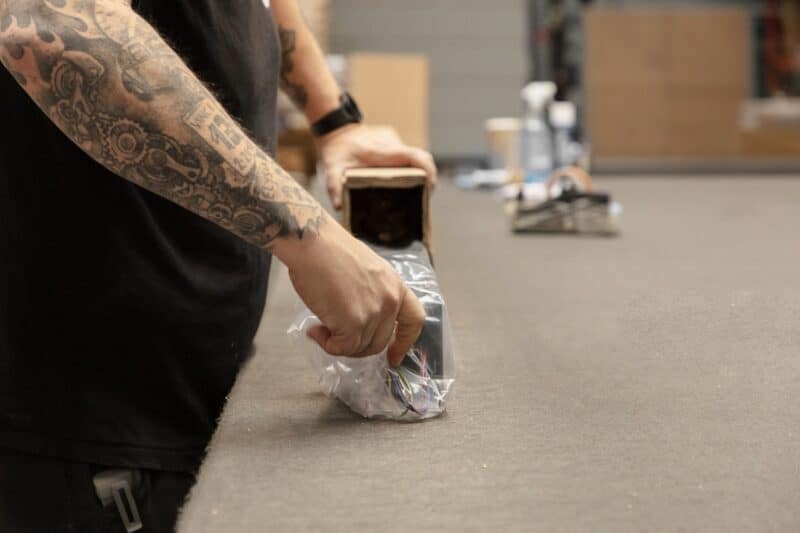
Sustainability does not end after production. Deliveries, packaging and site logistics also have an impact, especially in larger projects.
You can describe this for example as:
- deliveries grouped per zone/phase (less transport and site traffic),
- preference for bulk or reusable carriers where possible,
- limitation of excessive individual packaging.
These kinds of agreements make sustainability visible without making the project more difficult. At Multiline, we consider it self-evident to organise logistics as sustainably and efficiently as possible.
5) Control systems: worth the investment, as long as they stay rational
Control systems can save energy but are sometimes specified too broadly or too complexly. This leads to systems that are not commissioned correctly or are not used later on.
Therefore, describe:
- where control is needed (circulation areas, meeting rooms, zones with variable use),
- what you expect (zoning, dimming, basic logic),
- and how you will assess success (functional handover, intuitive operation).
6) How do you check whether the requirements are met?
A sustainability requirement only works if you can verify it with:
- clear product specifications per item,
- a concise set of product data sheets, lighting designs and handover specifications,
- and agreements on alternatives: what may be equivalent, and what may not?
Looking for sustainable lighting for your project?
Do you want sustainable lighting that not only sounds good in the specification, but also remains feasible in construction and handover? Multiline is happy to work with you on a lighting concept with specifications that are technically sound and project-feasible.
Contact us to discuss your plans, and we will translate your sustainability ambition into concrete choices.
Looking for inspiration?
Do you have questions? Would you like more information about our products?
Contact usMore news
-

Light lines connecting old and new at WeForm group practice
In the heart of Herselt, a traditional house was thoroughly renovated and extended to create a group practice. With the architectural concept “The Shadow”, a new composition emerged in which the new volume appears to embrace the old one. Multiline delivered the lighting design and produced a bespoke architectural lighting solution.
Read more -

“As a lighting architect, you bring technology and aesthetics together”
As a lighting architect, Lieze translates the plans and ambitions of clients, architects and engineering consultancies into lighting proposals that are both technically sound and aesthetically refined. That is why she values an environment in which quality comes first. “The best thing about my job? The variety. Because so much of our work is bespoke, no two days are ever the same.” In this blog, she explains why she is so proud of her work at Multiline.
Read more -
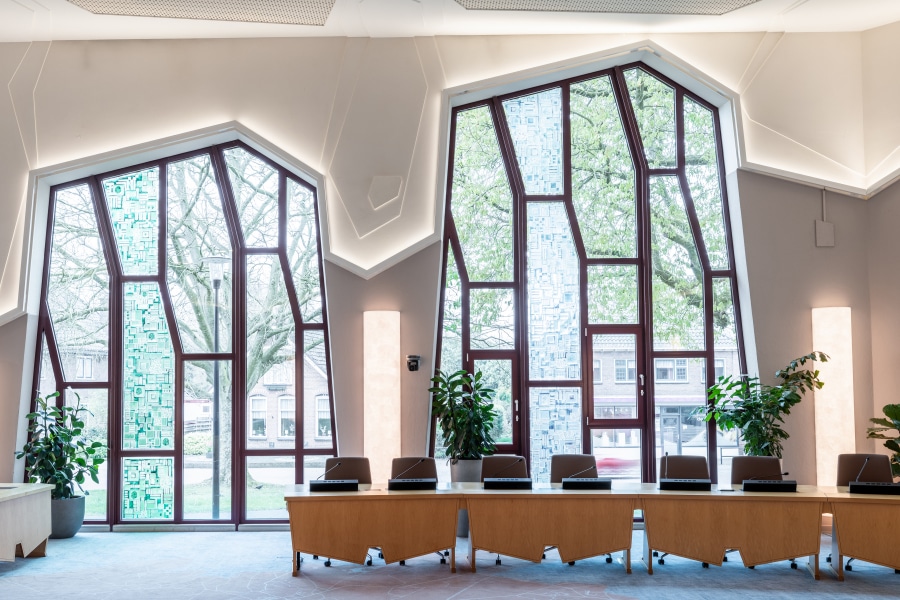
How does Multiline design bespoke lighting for projects?
A luminaire that integrates naturally into the ceiling rhythm, with a precise finish and light output perfectly tailored to the space… The result often appears self-evident. Yet behind the scenes, bespoke lighting for projects is considered down to the millimetre. In this blog, you will discover how we at Multiline design custom solutions that fully align with both the architectural concept and on-site execution.
Read more