 blog
blog Human Centric Lighting with tunable white
We notice that architects, engineers and building owners are paying more attention to 'Human Centric Lighting' in their projects. Tunable White lighting plays an important role in this topic. What exactly is Human Centric Lighting and where can you best apply it? Find out in this article.

What is Human Centric Lighting?
Human Centric Lighting (HCL) takes the needs of the end user as its starting point in order to develop an optimal lighting system. This is logical, as light has a major impact on how we feel. The natural biorhythm of humans is tuned to the cycle of daylight. Cool light in the morning makes us alert, warm light in the evening makes us sleepy.
Human Centric Lighting mimics the cycle of daylight with artificial light. This way, the natural biorhythm is not disturbed. Studies on HCL show positive effects on concentration, alertness, sleep and the user’s mood.
Where can Human Centric Lighting be applied?
Due to the impact of HCL on the well-being of the user, the topic has always received a lot of attention in healthcare facilities. In recent years we have seen the interest increase in office projects as well. An employer naturally wants his employees to feel at their best so that they can also perform optimally. We therefore expect to see more and more projects with an HCL concept in the coming years.
How can you apply Human Centric Lighting?
In order to mimic daylight, the intensity and colour of the lighting must be adjusted throughout the day. This is not possible with standard lighting, but it is with Tunable White. By using twice as many LEDs, Tunable White lighting switches smoothly between different colour temperatures. The use of CRI90 LEDs also ensures that the emitted light is very similar to the colour spectrum of sunlight. This means that the light can be optimally adjusted depending on the time of day and the needs of the user.
At Multiline, most of our indoor luminaires are also available in Tunable White. Due to the use of twice as many LEDs and a more complex control system, the cost price is higher than for our standard lighting.
Tunable white, a real mood enhancer
The possibility of adjusting the colour temperature makes tunable white interesting for other applications as well. Colour temperature is essential for the creation of a certain atmosphere in a room. A low colour temperature provides warm, cosy light. A high colour temperature provides cooler, bluish-white light. A restaurant, for example, will opt for warm light, an office for cool light. With tunable white you, as an architect or installer, give your client the opportunity to adjust the lighting according to the occasion. Think, for example, of rooms that change function or can be used for both seminars and receptions.
Do you have any questions about Human Centric Lighting or Tunable White? Or would you like more advice? Do not hesitate to contact us, we will be happy to help you!
Technical data:
2 options: 700 lumen/feet, 1500 lumen/feet
Colour range: 2700 – 6500 K
Dimming range: 3-100%
Standard > CRI 90
Dali 8 driver
Minimum lifetime: 50.000 burning hours
Warranty: 5 year
Looking for inspiration?
Do you have questions? Would you like more information about our products?
Contact usMore news
-
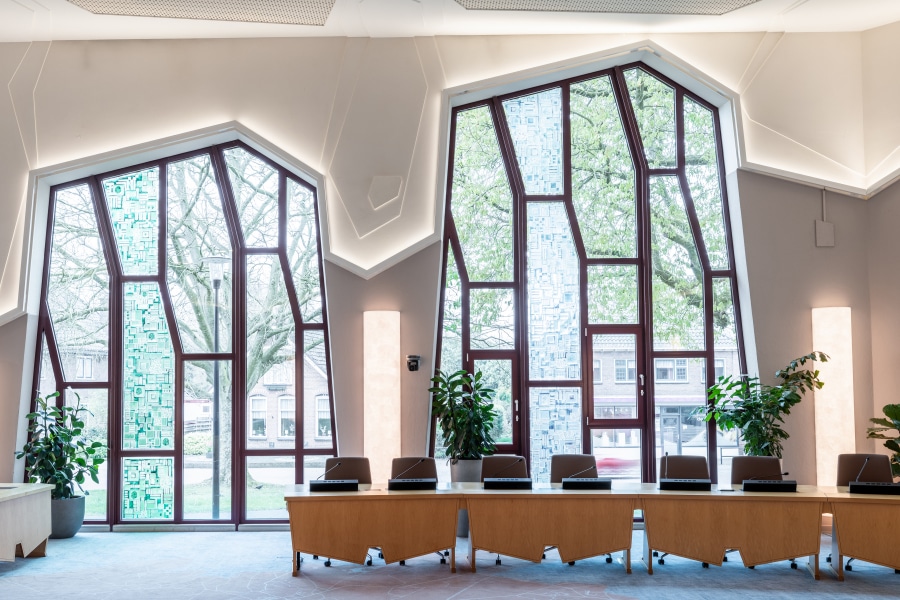
How does Multiline design bespoke lighting for projects?
A luminaire that integrates naturally into the ceiling rhythm, with a precise finish and light output perfectly tailored to the space… The result often appears self-evident. Yet behind the scenes, bespoke lighting for projects is considered down to the millimetre. In this blog, you will discover how we at Multiline design custom solutions that fully align with both the architectural concept and on-site execution.
Read more -
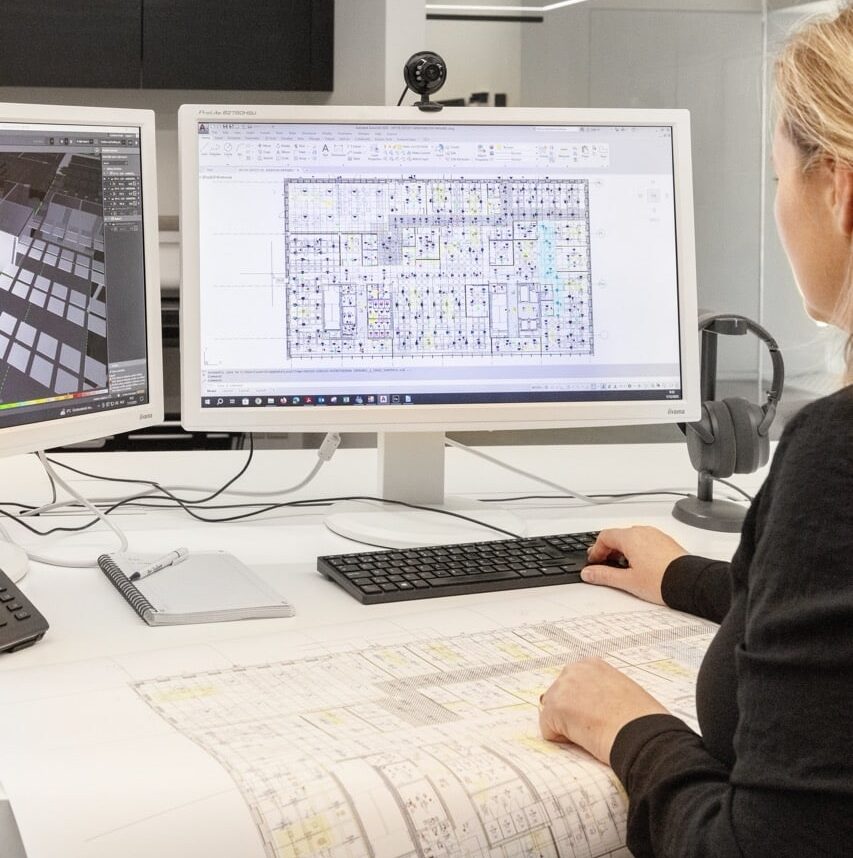
Lighting Studies and Lighting Calculations: What You Can Expect from the Numbers
A lighting study and lighting calculations provide valuable guidance throughout a lighting project. They show whether the required lux levels can be achieved and whether a proposal is technically substantiated. Without calculations, decisions are based on assumptions. In this blog, we explain what information a study needs to be meaningful, how to interpret the results correctly, and how to apply them in practice.
Read more -

Sustainable lighting in projects: how to describe it in specifications and bills of quantities
Sustainable lighting has become a standard ambition in projects. But what remains of that ambition once you have to compare offers and place orders? How do you measure sustainability in quotations? Below you will find the most useful anchors to describe sustainable lighting concretely in your specifications and bill of quantities, so that you can assess and follow it up.
Read more